Security, Simplicity, and Scale: Role-Based Access Control in Microsoft License Management

Author: Tim Jalland
Program Director, VOSS
Tuesday November 4, 2025
In my recent posts (links below), I explored how smarter Microsoft licensing drives digital agility and how bridging the gap between license assignment and actual usage maximizes adoption and value. The final piece in this series focuses on a critical element of license governance in large, distributed environments: role-based access control (RBAC) – and how, when combined with hierarchy and automation, it transforms license administration.
Managing Microsoft licenses across global organizations is complex. Traditional methods – assigning licenses individually during onboarding or by static group membership – create inefficiencies, inaccuracies, and a heavy administrative burden. Global allocations may seem convenient, but they rarely address local needs. When regional teams require flexibility to manage add-ons such as Teams Premium, Copilot, or Teams Phone, global-only controls can quickly become bottlenecks that slow productivity and increase risk.
The inherent nature of a Microsoft tenant adds another layer of challenge: licenses are drawn from a single global pool accessible across departments, regions, or business units. Without clear guardrails, usage becomes difficult to track or control below the global level. Reporting and chargeback often remain too high-level to be meaningful, and the overuse of global admin privileges increases exposure to configuration errors or compliance risks.
RBAC, hierarchy, and automation: the foundation of modern license administration
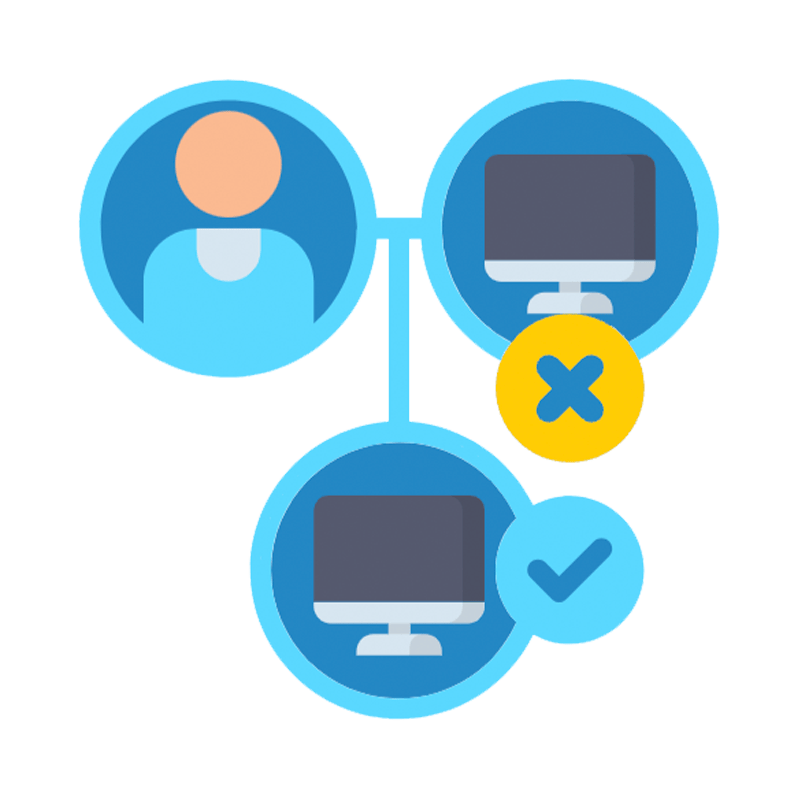
Role-based access control defines who can perform what actions, providing secure and compliant license management aligned with job function. However, RBAC alone is not enough. By introducing hierarchy, organizations can map those access policies to their actual business structure – whether that’s regions, subsidiaries, or departments. This hierarchical view ensures that licenses are not just controlled securely but also administered in a way that reflects how the business really operates.
When RBAC and hierarchy are combined, global and local governance finally work in harmony. Global administrators retain strategic oversight and control of policies, while regional or departmental admins can manage their own populations of users within clearly defined boundaries. This model allows each business unit to allocate from its assigned pool, remain accountable for usage, and maintain visibility of license activity, without compromising security or consistency.
The final piece of the puzzle is automation. By automating the assignment and cancellation of licenses through workflows integrated with HR or ITSM systems (such as ServiceNow), organizations can dramatically reduce manual effort. Automation ensures that licenses are provisioned and reclaimed dynamically as users join, leave, or change roles – a seamless process that improves both efficiency and compliance. Combined with audit tracking and change management, it becomes possible to maintain continuous control and transparency across the full lifecycle of every license.
The building blocks of effective license governance
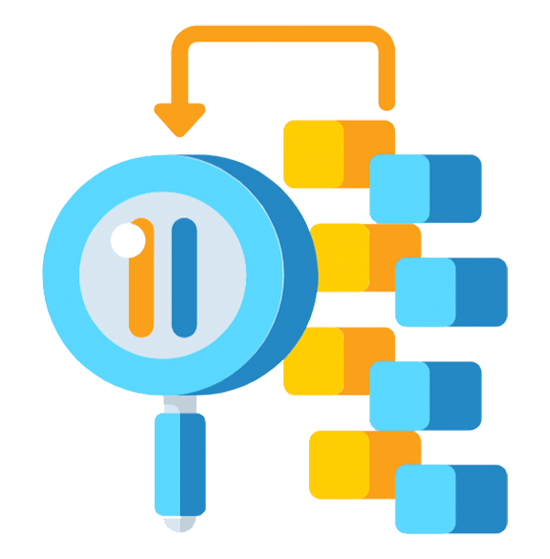
In a well-structured licensing environment, global license pools can be subdivided into regional or departmental containers, empowering local admins to allocate licenses within their boundaries while maintaining centralized oversight. Standardized license templates or personas ensure that new users receive the correct bundles for their role and location, promoting accuracy and consistency during onboarding or when employees transition between teams.
Automation reinforces these principles by removing manual processes from everyday administration. Instead of relying on spreadsheets, tickets, or guesswork, allocation decisions become data-driven and policy-based. Scoped admin roles further reduce risk by limiting the use of global permissions; only those responsible for specific business units or user groups can make changes within their domain. Every transaction is tracked, ensuring visibility and accountability across the entire organization.

How VOSS enhances license administration
Bringing together RBAC, hierarchy, and automation, VOSS simplifies and strengthens Microsoft license management. With VOSS, enterprises can model their organizational hierarchy directly within the tenant, defining clear boundaries for each business unit or region. Centralized RBAC policies cascade through this structure, giving every administrator the right level of control while maintaining alignment with corporate governance.
Automation within VOSS takes care of the repetitive tasks – provisioning, updating, and reclaiming licenses – ensuring accuracy and speed at scale. Standardized templates deliver consistency across regions and departments, while integration with HR, ITSM, and finance systems keeps license administration synchronized with broader business processes. The result is a powerful framework for managing licenses confidently, protecting organizational resources, and equipping every user with the right tools for their role.
With VOSS, your company can achieve a balance of security, simplicity, and scale. Your administrative workload will reduce, compliance will strengthen, and your IT team will be empowered to deliver efficient, accurate, and transparent license governance across the entire organization.
If you’d like to explore this further or discuss how VOSS can help refine your Microsoft license management strategy, please get in touch!
Keep up to date with our latest blogs and subscribe today